

Casting Spells
What happens when we share our sometimes imperfect stories with the world

Will you read me a story? I implore my mother, as I stand in my parents’ bedroom doorway carrying my new and favorite book, Hamilton Duck. She is stripping all the beds to prepare our linens for laundry. This is the one day each week I get her to myself, but she is always busy with chores. I am four going on five.
Why don’t you read the story to me? At first I don’t say anything, looking down at the book, then up at her, then at the book again, which I open and close and spin around. I shrug my shoulders and flop onto the giant pile of sheets and blankets and pillowcases in the middle of our living room. (Now I understand why our cat usually curls up here.) I can pretend. But do I have to? I love this story about a duck who decides to go for a swim only to discover that winter has frozen his favorite pond.
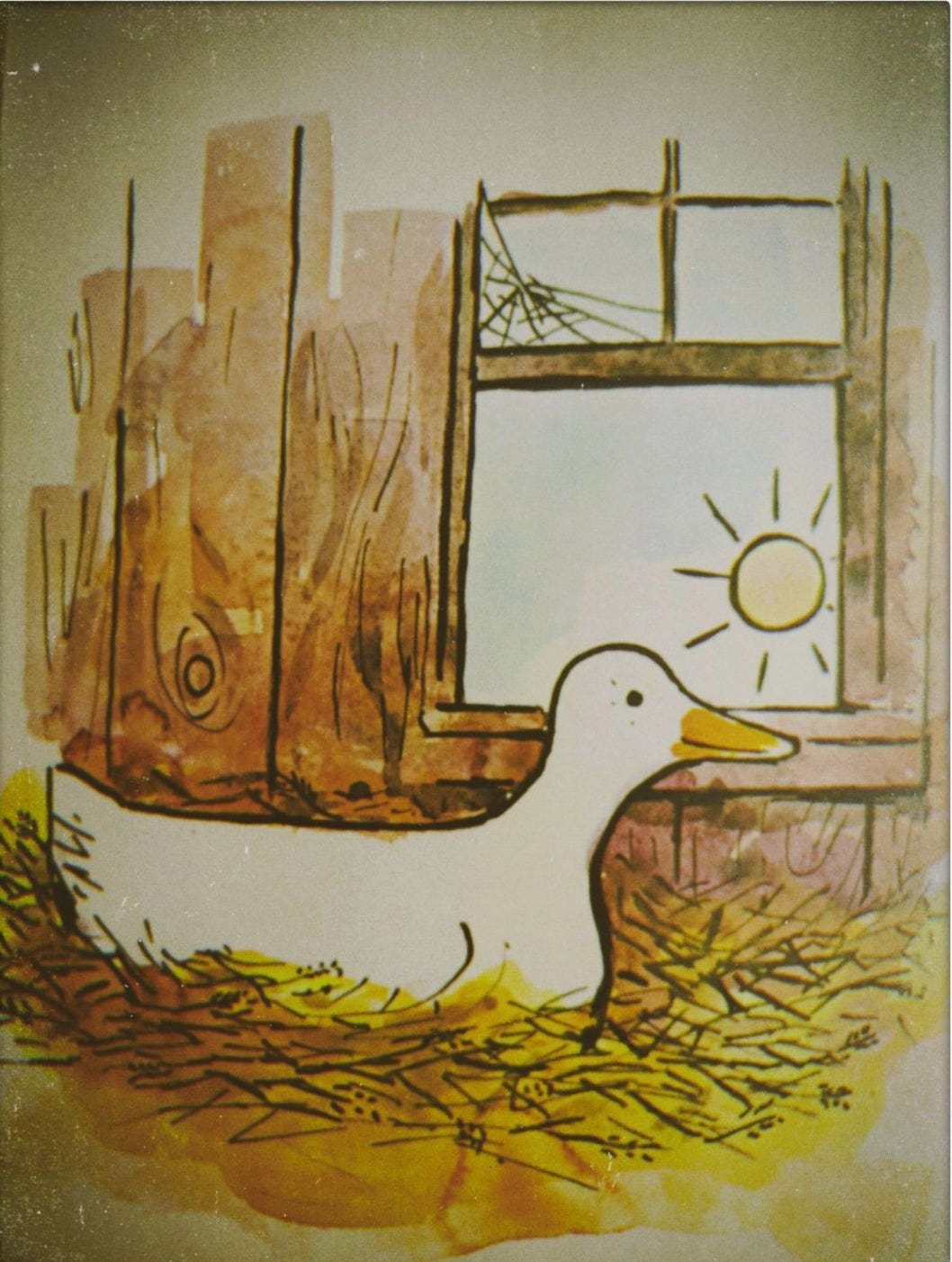
So that is what I tell her: flipping through all the pages, I describe each picture, my voice rising and falling dramatically as if I don’t already know how this thriller ends. Why is the pond covered in ice? Will Hamilton Duck get to swim? And who is this Friendly Fish?
I can’t prove that this is how I learned to read, by first pretending then performing my favorite book over and over. All I know is that occasionally my mother would pause to help me sound out win-ter or friennnd-ly and that, eventually, the words became real. Their meanings became untethered from the book’s illustrations. All I know is that, by the time I entered kindergarten later that year, I could read Hamilton Duck and other Little Golden Books to my mother.
If you’ve ever felt like you were pretending your way through the work, you already understand this kind of beginning.
This is the spell we cast when we share our stories—imperfect as they may be—with the rest of the world. For quite a while now, I have had myself convinced that I chose to be a storyteller, that my micro-essays or essay essays or poems or articles or interviews are all a part of some master plan. They are, sort of. They are intentional, even as I may not (yet or always) understand my direction or purpose. I just know that I have something to tell you. And so I do.
But these stories are also the most recent iteration of my mother’s gift to me, one I’m sure she knew she was giving but that was, mostly, born out of necessity. She worked full-time. She was a full-time mom. She was always so tired.
Claudia, my mother, was a gifted storyteller. Sometimes the stories were explicit: traditional bedtime forays or concoctions from her own imagination meant to calm me or lull me to sleep. But sometimes her stories would emerge from an altogether different creative urge, like the spontaneous decision one windy March to teach me how to build a kite from old sheets and fly it in the New Calvary Baptist Church parking lot.
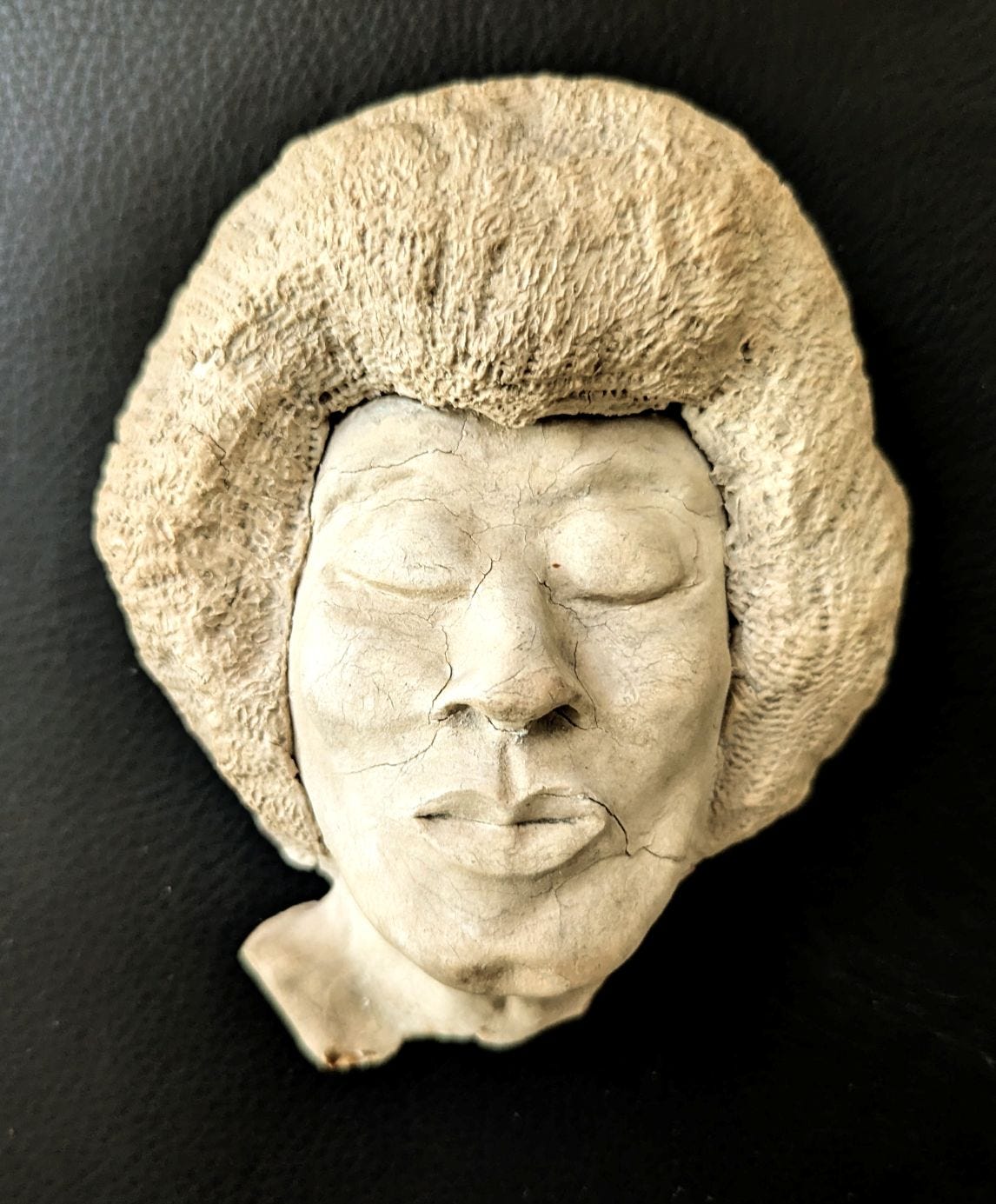
Or the mask she sculpted at the kitchen table made from air-dry clay. Or the matching gaucho outfits she sewed for me and my sister Juanita. Tangible stories you could hold in your hands and more magical because of it.
I miss her.
Perhaps this very story, this palmful of memories, is a spell I am casting to keep her close.
The Dominant Sound is a reader-supported publication. To receive new posts and support my work, please consider becoming a free or paid subscriber.
And if you enjoyed this story or found it useful (or both!), please send it to a friend.
I can envision all of it. She sounds like a treasure. And a creative force. ❤️
Lillien, thanks for this story. It brought my mother back to me for a visit. She taught me how to read in a similar fashion before I started school.